Dan Block Shares Reflections from DC Climate Week 2026
Dan Block, Prime’s Director, Catalytic Investing, wrote the following reflections on this year’s DC Climate Week:
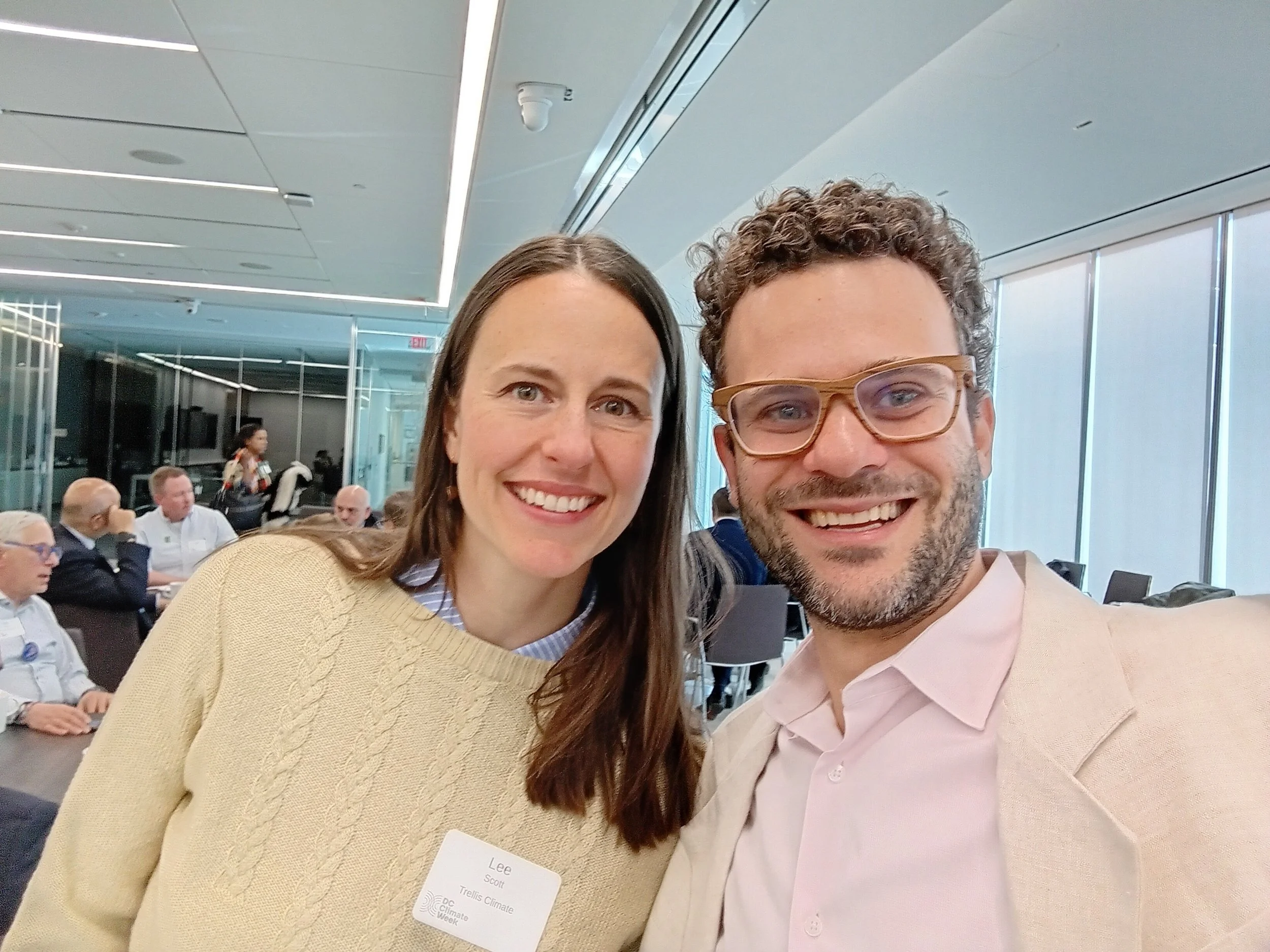
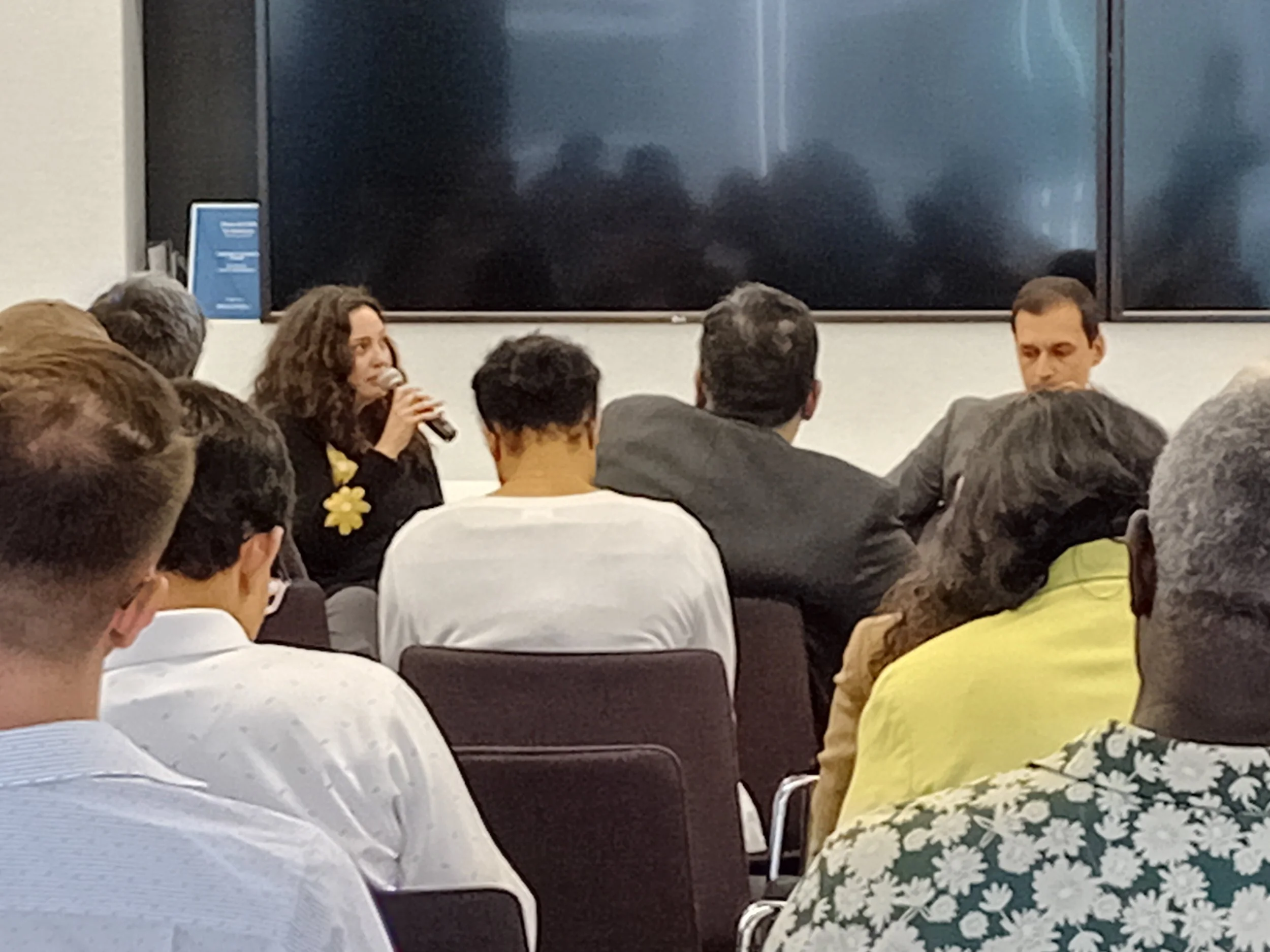
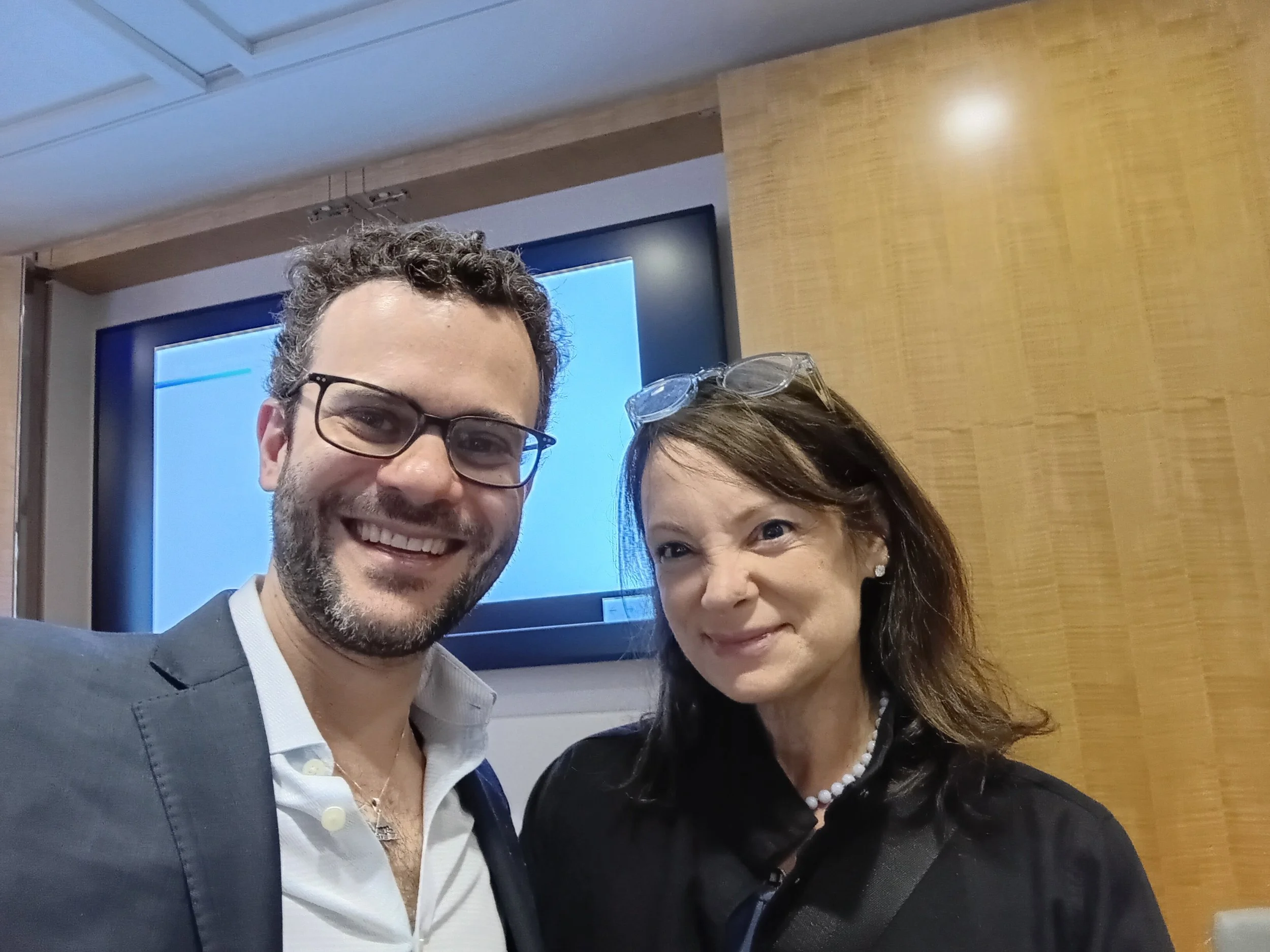

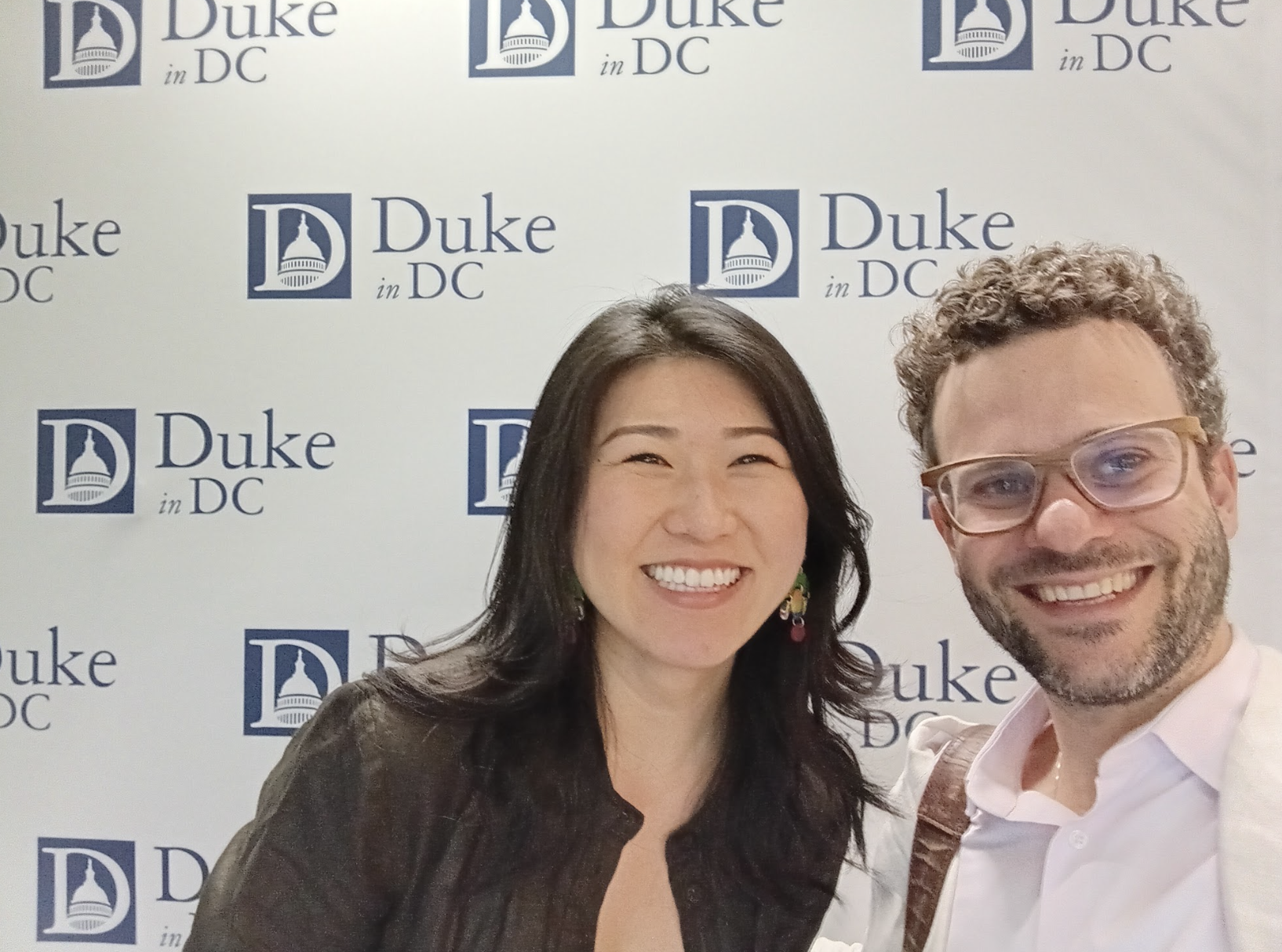
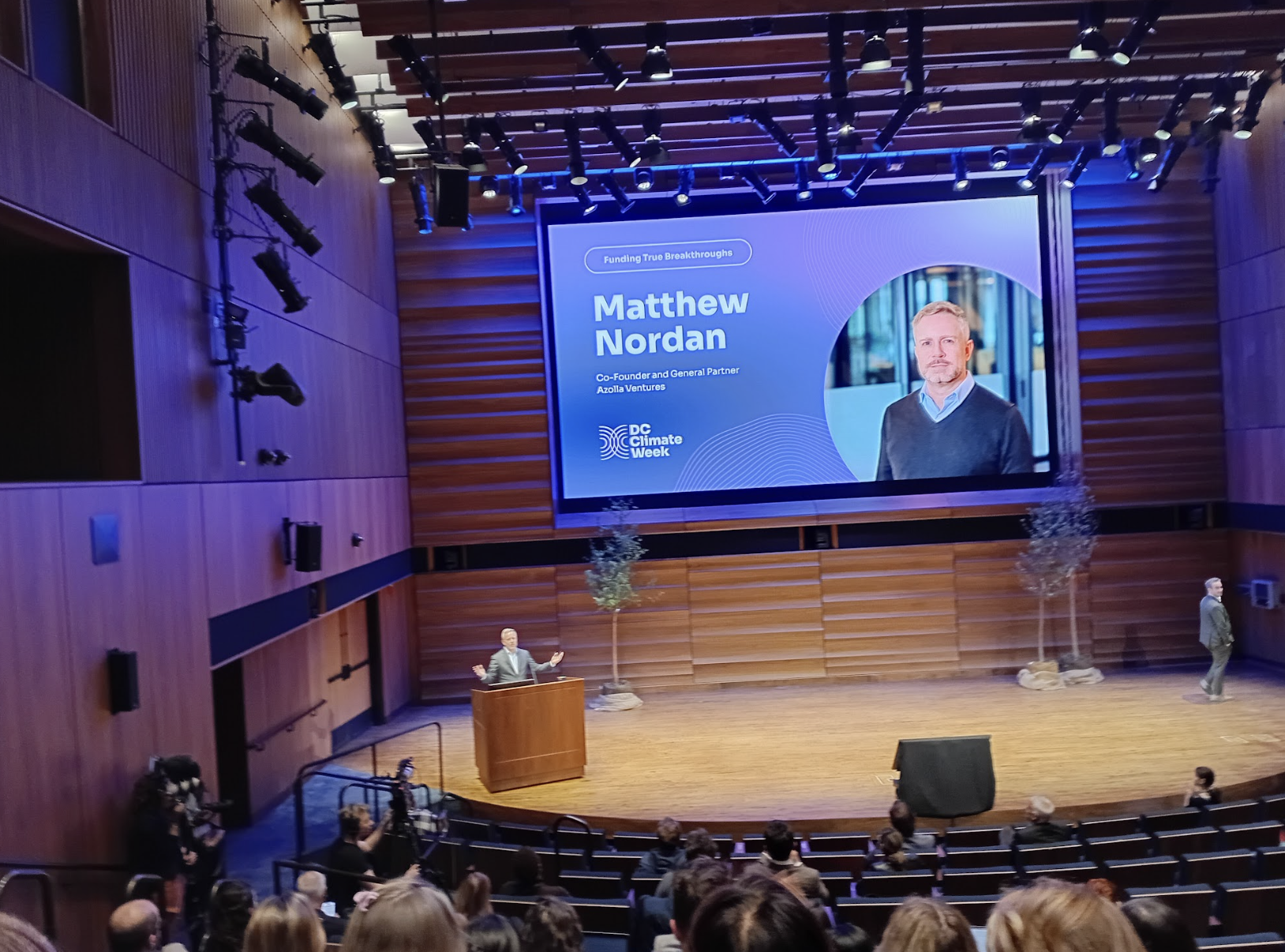
DC Climate Week felt meaningfully different in its second year. It no longer felt like an experiment, but a maturing convening with broader participation and deeper engagement. The calendar was nearly twice as full as 2025, with a more decentralized and organic structure. Just as notable was the shift in tone: the uncertainty of a year ago has given way to grounding and rising confidence across the ecosystem.
This year brought more opportunities to connect climate investors across the capital stack: from university-backed innovation to angels, venture capital, growth equity, and debt. That cross-pollination, in part driven by the convening efforts of Lichen Ventures and others, made the week feel both expansive and cohesive. It was also a valuable space to connect personally with many members across the extended Prime community.
Key themes from the week
1. Market momentum remains despite headwinds
Despite policy uncertainty, the fundamentals continue to drive progress. Clean energy deployment, particularly wind and solar, has grown steadily for two decades. Last year saw a record $2.7 trillion invested in climate solutions globally. CDFIs and green banks are reporting record demand for projects. While policy still plays an important role in shaping incentives, momentum is continuing its upward trajectory amidst political cycles.
2. Climate narratives are evolving to meet the moment
Founders are increasingly framing their work through lenses that resonate in today’s environment, such as resilience, risk mitigation, energy security, domestic manufacturing, and the rise of AI and data centers. The underlying technologies remain the same, but the way they are communicated is shifting to align with current economic and geopolitical priorities.
3. DC is emerging as a climate hub
Even amid a crowded global climate calendar, including overlapping events in New York and San Francisco, DC Climate Week maintained strong energy and attendance. Many participants traveled in from other major hubs, including the West Coast, signaling that DC is a rising destination for climate finance alongside policy conversations.
4. Bridging gaps in early-stage innovation finance
A session which Prime participated in hosted by Duke University on “Accelerating Resilience: Mobilizing Capital, Industry & Universities” highlighted ongoing challenges and opportunities in financing university-based climate innovation. Key needs included:
Clearer pathways for investors to access university-originated technologies
More flexible, longer-horizon capital to support early-stage development
Funding structures that better align incentives and avoid overcomplicating commercialization
These themes closely align with Prime’s longstanding focus on catalytic capital to bridge early-stage funding gaps, particularly for science-based climate solutions.
5. Breaking silos across sectors and geographies
The week also showed encouraging signs of greater connectivity across public and private sectors, regions, and investment stages. From federal stakeholders engaging in climate tech discussions to stronger ties between DC and neighboring ecosystems (NYC, Baltimore, etc.), there is growing recognition that collaboration is essential to scaling solutions.
6. A broader view of impact is taking hold
Building on conversations from the Systemic Investing Summit, there was increasing acknowledgment that climate impact requires more than isolated interventions. Prime joined a discussion with leading speakers across the impact investing field which highlighted the need for more comprehensive, systems-level theories of change. This shift reflects a maturing understanding of what it will take to drive meaningful, long-term outcomes.