Catalytic capital is investment that accepts disproportionate risk and/or concessionary returns to generate positive impact and enable third-party investment that wouldn't otherwise occur.
— Tideline 2019 Report “Catalytic Capital”
Capital that is designed to overcome specific, well-defined financial risks or other barriers that prevent investors from directing conventional capital – with terms that are representative of the asset class – toward impactful projects or companies.
Often unusually patient, risk-tolerant, concessionary, and/or flexible, catalytic capital provides a missing piece of financing that prompts conventional investors to shift from “no” to “yes” in supporting impactful investments, either immediately or over time as the investment is de-risked or perceived as de-risked. At Prime, catalytic capital can be a grant or an impact investment, but some investors exclude grants from their definition.
Resources

In their recent op-ed for Impact Alpha, Prime Coalition’s Chief Programs Officer, Anna Goldstein, and Senior Associate, Impact, Alban Yau, make the case that catalytic capital only delivers on its promise when guided by careful diagnosis and disciplined design. In their recent op-ed for Impact Alpha, Prime Coalition’s Chief Programs Officer, Anna Goldstein, and Senior Associate, Impact, Alban Yau, make the case that catalytic capital only delivers on its promise when guided by careful diagnosis and disciplined design. They explore why capital gaps are more often rooted in structural misalignment than scarcity, and how catalytic interventions must be intentionally crafted and paired with complementary infrastructure to unlock private participation and enable systems-level change.
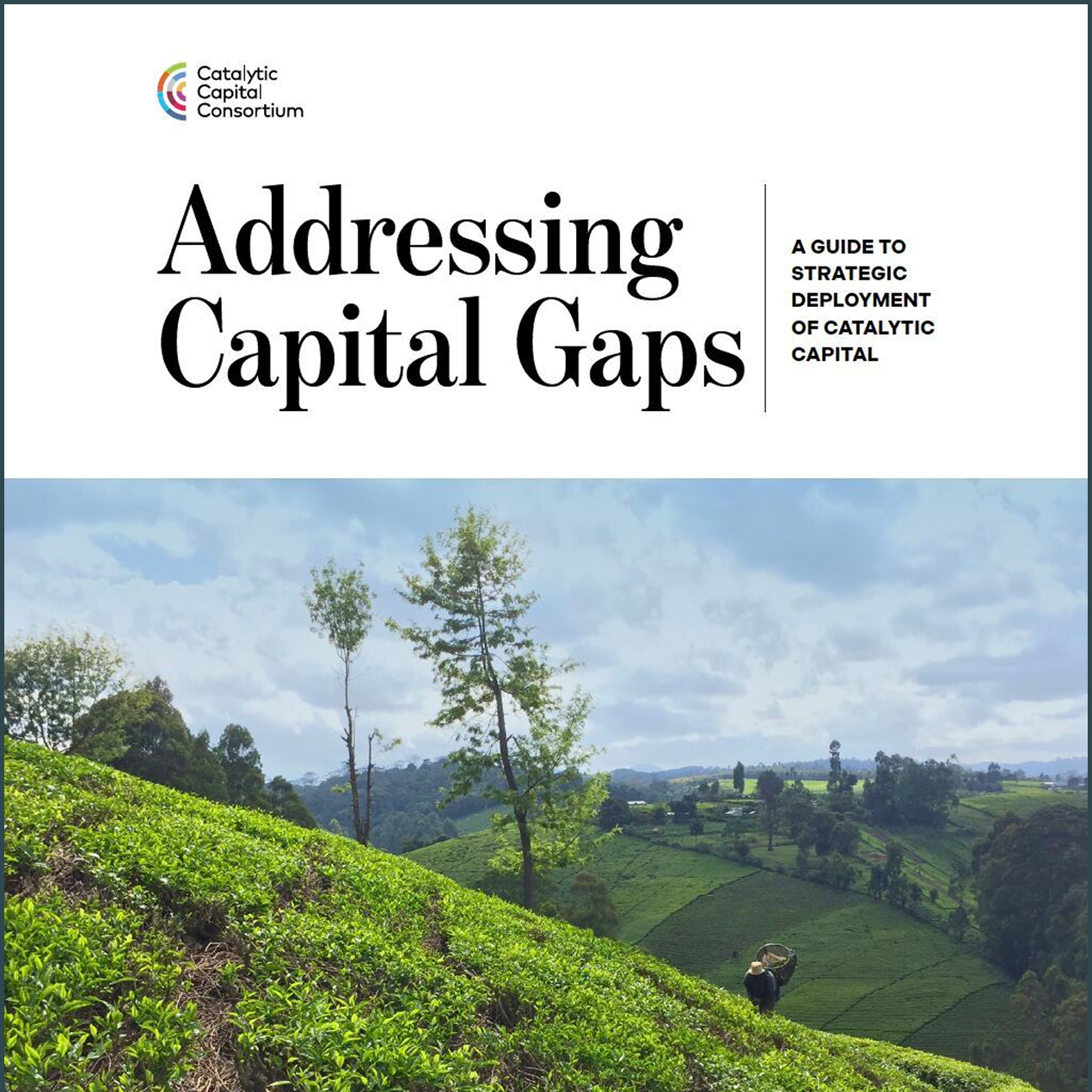
We are excited to celebrate with our friends at the Catalytic Capital Consortium (C3) as they publish their new guide: "Addressing Capital Gaps: A Guide to Strategic Deployment of Catalytic Capital" by Harvey Koh, a C3 Senior Advisor. This new resource provides actionable insights on harnessing catalytic capital's potential to address urgent needs, and we're honored that Prime's Anna Goldstein, Claudia Alejandra Leon, and Alban Yau were invited to contribute their expertise to its creation.

The CommonWealth Beacon featured insights from our Executive Director, Sarah Kearney, regarding The Boston Foundation's new report on retrofitting Boston’s small buildings. Sarah emphasizes the critical role of philanthropic investment in driving decarbonization efforts and overcoming challenges in the retrofit landscape, and advocates for a coordinated approach that unites various stakeholders to ensure equitable outcomes for Boston’s communities.
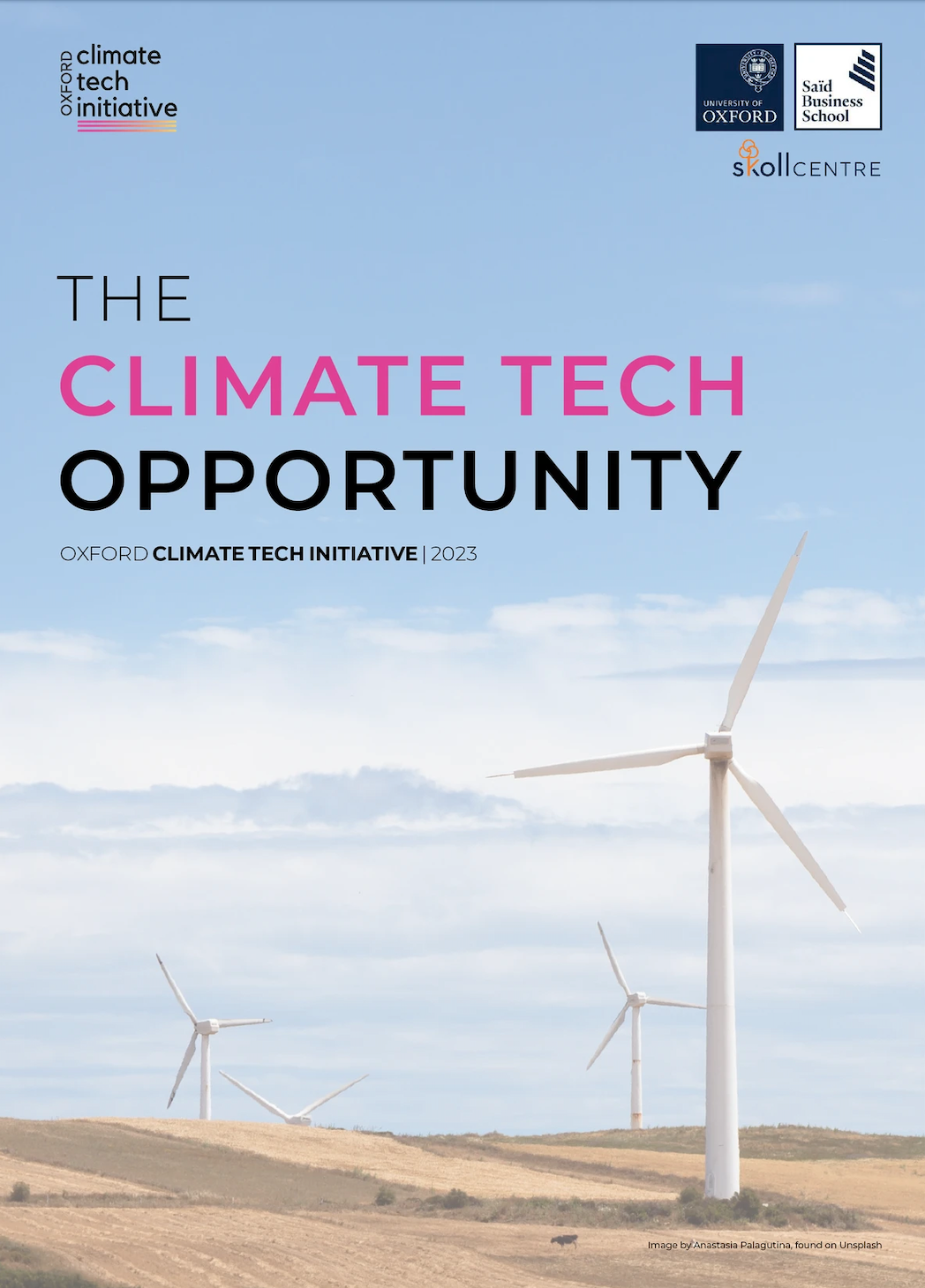
Prime Coalition's Keri Browder was one of the contributors to the final Oxford Climate Tech Initiative report. The report's findings aligned with Prime's investment vehicles' impetus for launching.

In an op-ed in Inside Philanthropy, Sarah Kearney, Executive Director of Prime, explores the coming wave of catalytic capital and how nonprofits can maximize impact, applying lessons from Prime's 10-year journey.

Sarah Kearney joined a webinar moderated by ImpactAlpha to talk about catalytic capital and how it can unlock impact.